
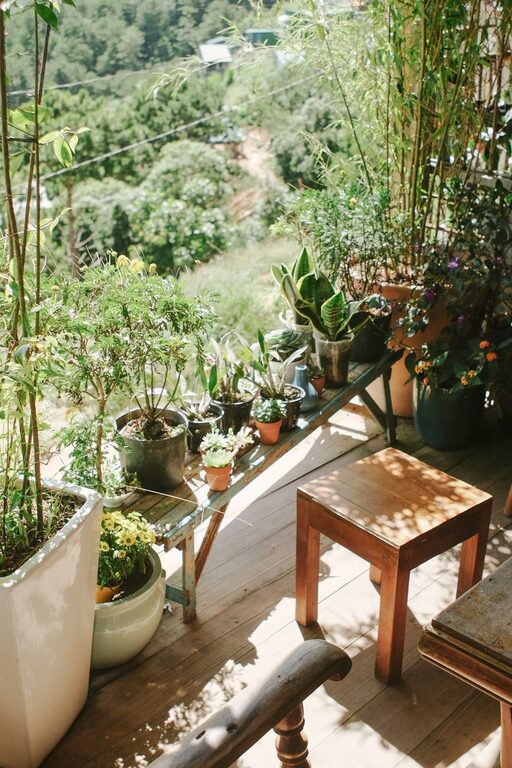
Creating a relaxing home garden space is a wonderful way to bring nature’s calm into your daily life. Whether you have a small balcony, a spacious backyard, or a cozy patio, a thoughtfully designed garden can become your personal sanctuary. It’s the perfect spot to unwind after a busy day, enjoy fresh air, and connect with the outdoors. In this post, we’ll share practical tips and ideas for turning your garden into a peaceful retreat.
Choose the Right Location
Before planting or adding furniture, decide where your garden space will be most effective for relaxation. Consider areas that:
– Receive ample natural light without harsh afternoon sun.
– Offer some privacy from neighbors or street views.
– Have a pleasant natural backdrop, like trees or a fence.
If space is limited, even a container garden on a balcony or windowsill can provide a soothing green spot.
Plan Your Garden Layout
A well-organized garden contributes to a peaceful atmosphere. Here’s how to plan your layout:
Divide Your Space Into Zones
– Seating area: A place to sit, read, or sip tea.
– Planting area: Beds or containers for flowers, herbs, or shrubs.
– Pathways: Define walkways with stepping stones or gravel for easy access.
Use Curved Lines
Soft, curved garden paths and beds tend to feel more relaxing and natural than straight lines. They create a flowing environment that encourages easy movement.
Select Relaxing Plants
Choosing the right plants is key to creating a calming garden.
Think About Fragrance
Plants with gentle scents, like lavender, jasmine, or gardenia, can soothe the senses and improve your mood.
Include Evergreen and Seasonal Plants
Evergreens provide year-round greenery, while seasonal flowers add color and variety at different times of the year.
Opt for Low-Maintenance Varieties
To keep your garden stress-free, select plants that suit your climate and require minimal care.
Create Comfortable Seating
Comfortable seating helps you enjoy your garden longer.
– Use weather-resistant cushions.
– Consider a hammock or swing chair for gentle movement.
– Add a small table for drinks or books.
Place seating in spots where you can enjoy shade or morning sun, depending on your preference.
Add Soothing Elements
Certain features can enhance your garden’s relaxing vibe.
Water Features
The sound of flowing water is naturally calming. Consider a small fountain, bird bath, or pond.
Outdoor Lighting
Soft, warm lighting extends your garden’s usability into the evening and creates a cozy atmosphere. Solar-powered lights are eco-friendly and easy to install.
Natural Materials
Use wood, stone, or bamboo in furniture or decorations to maintain a connection with nature.
Use Color Psychology
Colors impact mood and can influence relaxation.
– Green: Symbolizes nature, promotes calm.
– Blue: Soothing and peaceful.
– Purple: Adds a sense of luxury and tranquility.
– White: Creates simplicity and purity.
Incorporate these colors through plants, furniture, or accessories.
Keep It Clutter-Free
A tidy space helps your mind relax.
– Use storage solutions like garden boxes or benches with built-in storage.
– Keep tools and supplies organized and out of sight.
– Regularly remove dead leaves and debris.
Personalize Your Space
Add touches that reflect your personality and bring joy.
– Hang wind chimes or lanterns.
– Place garden art or statues.
– Include a favorite book or journal in your seating area.
Maintain Your Garden Regularly
Relaxation also comes from knowing your space is healthy and well cared for. Set aside time weekly for watering, pruning, and tidying to keep your garden inviting.
Conclusion
Creating a relaxing home garden space is about blending nature, comfort, and personal style. By selecting the right location, plants, and features, you can craft a sanctuary that refreshes your mind and body every day. Start small, and let your garden evolve naturally into your peaceful retreat. Happy gardening!