
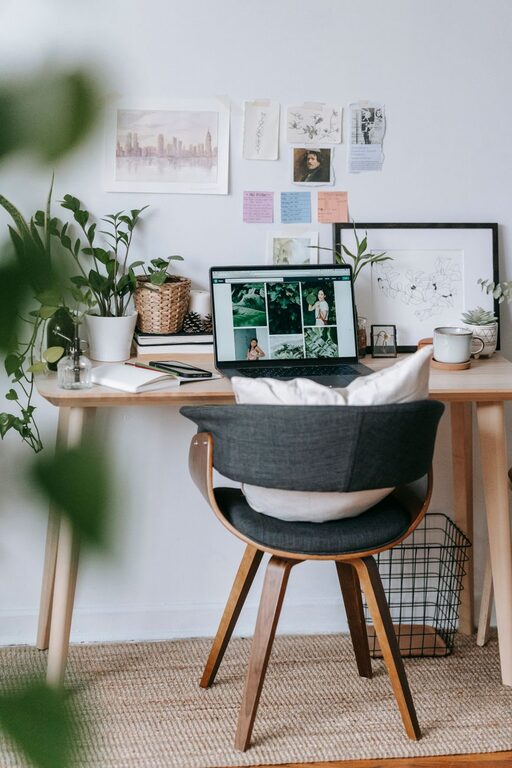
Creating a home office that feels both cozy and productive can make a significant difference in how you work each day. Whether you are working remotely, freelancing, or need a dedicated space to tackle personal projects, setting up an environment that supports focus and comfort is key. Here are some practical tips to help you design a home office that meets your needs and enhances your work experience.
Choose the Right Location
Selecting the ideal spot for your home office is the first step. Consider these factors:
– Natural Light: Position your desk near a window to take advantage of daylight. Natural light can boost mood and reduce eye strain.
– Quiet Space: Find a room or corner with minimal distractions. If you share your home, try to choose a spot away from noisy areas.
– Space and Privacy: Make sure there’s enough room for your desk, chair, and any equipment you need, as well as some space to move comfortably.
Invest in Comfortable Furniture
The right furniture can greatly impact your comfort and productivity.
– Ergonomic Chair: Choose a chair that supports good posture with adjustable height, lumbar support, and comfortable cushioning.
– Desk: Pick a desk that fits your space and provides enough surface area for your computer, notebooks, and other essentials.
– Adjustable Options: Consider a sit-stand desk or an adjustable monitor stand to change your position throughout the day.
Organize Your Space Efficiently
An organized workspace helps you stay focused and reduces stress.
– Declutter Regularly: Keep only the essentials on your desk. Store other items in drawers or shelves.
– Use Storage Solutions: Utilize organizers, bins, and filing systems to keep papers and supplies neat.
– Cable Management: Use clips or sleeves to keep cords tidy and prevent tangling.
Personalize Your Office
Adding personal touches makes your space inviting and uniquely yours.
– Decor: Include artwork, plants, or items that inspire you.
– Color Palette: Choose soothing colors like soft blues, greens, or neutrals to create a calming atmosphere.
– Lighting: Incorporate a mix of ambient, task, and natural lighting; use desk lamps with adjustable brightness for evening work.
Optimize Technology and Tools
Having the right tools improves efficiency and comfort.
– Reliable Equipment: Ensure your computer, printer, and other devices are up to date and functioning well.
– High-Speed Internet: A strong connection is essential for video calls, research, and collaborative tools.
– Noise Reduction: Use noise-cancelling headphones or white noise machines if necessary.
Plan Your Workday Environment
How you arrange your day in your space can affect productivity.
– Routine: Set consistent working hours to create structure.
– Break Space: Include a comfy chair or a small nook for short breaks to recharge.
– Inspiration Board: Use a bulletin board or whiteboard for goals, reminders, or brainstorming ideas.
Maintain Healthy Habits
Your physical health and comfort matter in a home office.
– Eye Care: Follow the 20-20-20 rule: every 20 minutes, look at something 20 feet away for 20 seconds.
– Movement: Take regular breaks to stretch or walk around.
– Hydration and Nutrition: Keep water and healthy snacks accessible.
Final Thoughts
Designing a cozy and productive home office might require some trial and error, but the benefits are well worth it. Prioritize comfort and organization, and personalize your space to make it inspiring. With the right setup, you can foster creativity, focus, and balance all within the comfort of your own home.